Need stamped concrete in Philadelphia?
Tell us about your driveway or patio plan. Send the estimate form, or request a callback to check provider availability. Hours vary by provider.
No obligationNew Concrete Driveways & Patios in Philadelphia, PA
Request an estimate, compare, then decide
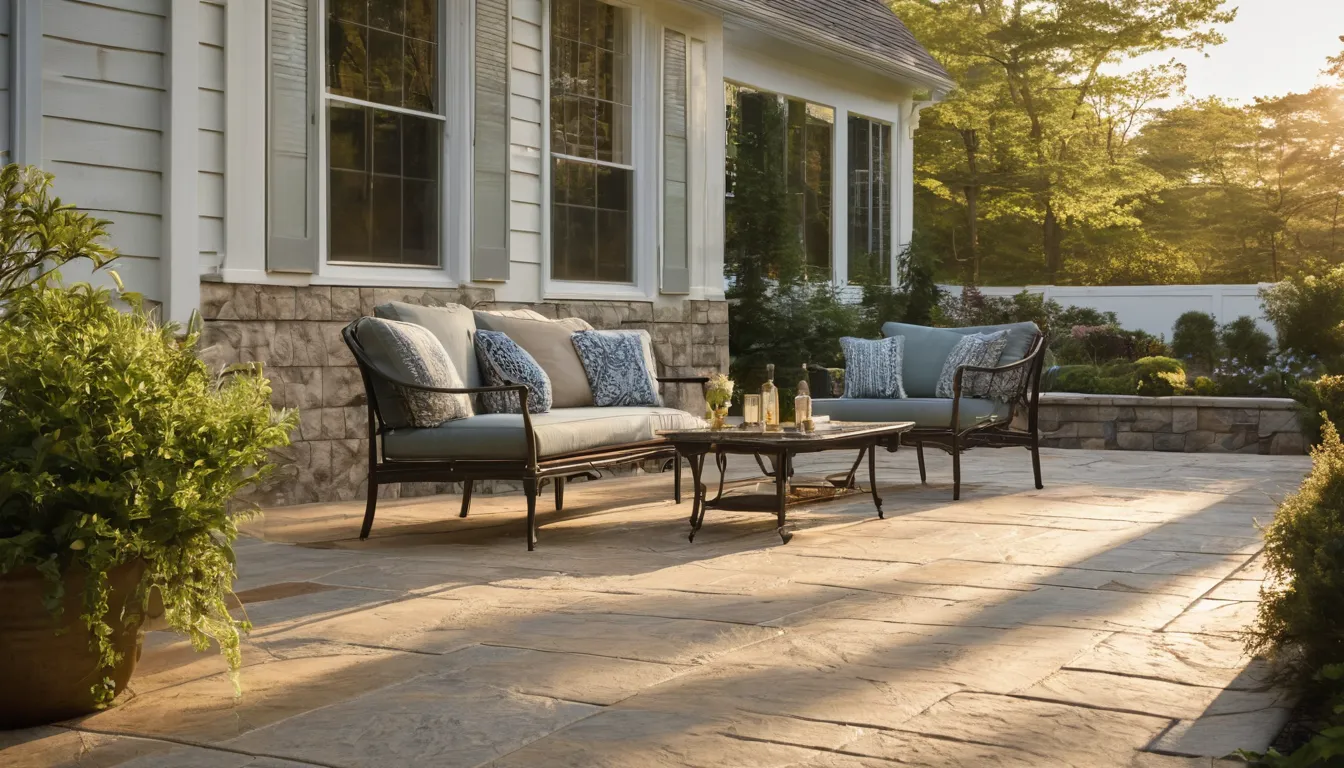
Say you want a patio that looks like natural stone, but you do not want to pay for hand-laid pieces. Stamped concrete is a common answer. A provider pours the slab, presses a pattern into it while it is soft, and adds color. The finished surface can look like slate, brick or even wood planks.
Convincemoments Concrete is a referral service. We do not pour or stamp anything ourselves. We connect homeowners in Philadelphia and the Philadelphia area with independent local providers who do this work. Send an estimate request, compare what you hear back, and take your time. There is no obligation, and less searching means more progress on your project.
Say you stand at the back door on a quiet Saturday. The yard is bare dirt, and you picture a patio that looks like slate. That picture is exactly what stamped concrete is for. This page explains how it works, so your first talk with a provider feels easy.
It is regular poured concrete with a design pressed into the top while it is still soft. The result can look like stone, brick, tile or wood. You get one solid slab instead of hundreds of small pieces. Stamped concrete patios are the most common request, and walkways and pool surrounds come up often too.
Picture a crew smoothing a fresh slab. Once the surface firms up a little, they lay rubber mats across it and press them down. The mats leave texture and joint lines. Timing matters. Press too early and the surface slumps. Press too late and the pattern will not take.
Color can be mixed into the whole batch, or added as a powder on top. Many providers use both. The mix gives a base tone. The surface layer adds the soft shading that makes it look like real stone. Ask which method a provider plans to use.
A pretty top needs a solid layer under it. Compacted gravel, a gentle slope and good drainage all come before any stamping. Skip those steps and cracks can show up no matter how nice the pattern looks. Good concrete flatwork starts below the surface.
Say you flip through a sample board. A few favorites show up again and again:
Earth tones such as tan, gray and soft brown tend to hide dust and leaves. Very bright shades can fade in strong sun. Look at samples outside in daylight, not only under shop lights.
Picture a Cape Cod style house with a small back yard. A stamped patio can fill that space with one clean surface. It also suits front walks, pool decks and the spot around a grill. Older homes with stone or block foundations often look great with a stone-pattern patio nearby, since the textures echo each other.
Some homeowners want the same look out front. That can be done, but it needs thicker concrete and careful planning for vehicle weight. Ask the provider what they suggest.
Say you are stuck between the two. Pavers are separate pieces set in sand. If one sinks, it can be lifted and reset. Stamped concrete is a single slab, so there are fewer gaps for weeds, and it is often quicker to put in. On the other hand, a crack in a slab is harder to hide than a loose paver. Neither one wins every time. Compare, then decide.
Cold, snowy winters ask a lot of any slab. Water slips into tiny pores, turns to ice and pushes outward. Spring snowmelt adds more moisture. Coastal storms bring salty air and heavy rain. Providers in our network often suggest air-entrained concrete, well-placed control joints and a quality sealer for these conditions. Ask about de-icing products too, since some can harm the surface.
Picture the schedule in stages. Layout and base work come first. Then comes the pour and the stamping. After that, the slab needs time to cure. A typical patio pour is often done in a day, but curing takes days more before furniture goes on, and longer before heavy loads. Weather can shift the plan, so ask for a likely window, not a promise.
Say it is October and leaves are piling up. Sweep them off and rinse with a hose. Use mild soap on spots. Reseal every couple of years, or as your provider advises. In winter, use a plastic shovel and avoid harsh salt.
If you would rather talk it through, Request a callback to check provider availability.
Picture three estimates spread across the kitchen table. They look alike at first. The details tell them apart. Look for a clear written scope, with the pattern, color, size and sealer all spelled out. Ask to see photos of past stamped work.
This page is about new stamped work. Concrete driveway repair and foundation repair experts handle a different kind of job, so those requests are not what this service is for.
Estimate first, call second. Send the form, hear from local providers, and weigh each one at your own pace.
Pick slate, brick, cobblestone or wood plank and see how each looks on your space.
Base tint plus surface highlights give the slab a natural stone look instead of a flat tone.
Grading, gravel and forming come first, so the finished surface sits level and drains well.
A sealer protects the color and pattern from weather, stains and everyday foot traffic.
Prices vary a lot by size, pattern, site access and local labor rates. These are typical U.S. ranges only, so always get a written quote from each provider before deciding.
| Item | Typical range | Notes |
|---|---|---|
| Stamped concrete, per sq ft | $12 – $25 | Pattern and color change the price |
| Plain gray slab, per sq ft | $6 – $12 | Useful as a comparison point |
| Added color or shading, per sq ft | $1 – $4 | Surface tints cost more than mixed color |
| Sealer, per sq ft | $1 – $3 | Needs reapplying every few years |
| Removing an old slab, per sq ft | $2 – $6 | Depends on thickness and access |
| Small stamped patio, about 200 sq ft | $2,400 – $5,000 | Total job, simple shape |
Tell us about your project, such as size, pattern ideas and timing. It only takes a few minutes.
An independent local provider contacts you to talk details and possibly set a site visit.
Line up scope, materials, sealer and timeline from each written quote side by side.
Pick the provider you like, or take more time. The choice is always yours.
One short request replaces an evening of scrolling through provider websites.
Independent providers in your area who know the local soil and weather.
Review several estimates side by side before you pick anyone, with no pressure.
Asking for an estimate does not commit you to anything at all.
Tell us about your driveway or patio plan. Send the estimate form, or request a callback to check provider availability. Hours vary by provider.
No obligationTypical U.S. prices run about $12 to $25 per square foot, depending on pattern, color and site conditions. Local rates differ, so request written estimates from a few providers and compare them.
It can be, when the base is prepared well and the mix and sealer suit cold weather. Ask providers about air-entrained concrete, control joints and which de-icing products are safe to use on the surface.
Light foot traffic is often fine after a few days, while furniture and heavier loads need longer. Your provider will give a cure schedule based on weather, mix and sealer choice.
Tell us about your driveway or patio plan. Send the estimate form, or request a callback to check provider availability. Hours vary by provider.
No obligation